
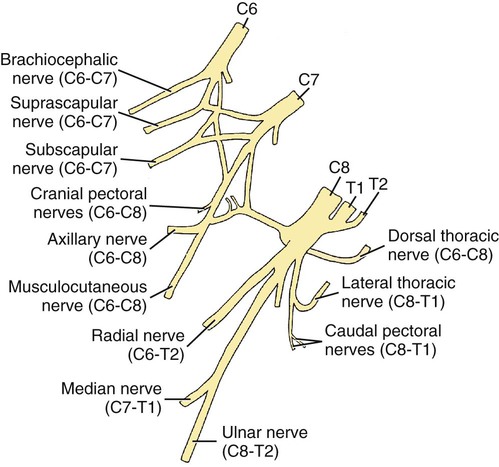
Brachial plexus injuries in dogs refer to damage to the network of nerves that control the front limbs. These injuries can result from trauma, such as vehicular accidents or falls, leading to varying degrees of impairment in forelimb function. Clinical presentations may include lameness, muscle atrophy, and altered sensation in the affected limb.
Diagnosis involves a thorough neurological examination, including assessing reflexes, muscle strength, and proprioception. Imaging studies, such as radiographs or advanced imaging like MRI or CT scans, may be utilized to identify the extent and location of nerve damage. Electromyography (EMG) and nerve conduction studies (NCS) can aid in confirming nerve involvement and assessing the severity of the injury.
Treatment options for brachial plexus injuries in dogs depend on the severity of the damage. Conservative management may include pain management, physical therapy, and supportive care. In more severe cases, surgical intervention may be considered to repair or graft damaged nerves. Prognosis varies based on the extent of the injury and the success of the chosen treatment approach.
Long-term management often involves ongoing rehabilitation to optimize limb function and address potential complications, such as muscle contractures. Regular follow-up assessments are crucial to monitor progress and adjust the treatment plan accordingly. While some dogs may experience significant improvement, others may have residual deficits despite intervention.
It’s essential for veterinarians to tailor their approach based on the individual dog’s condition, considering factors such as age, overall health, and the nature of the injury. Collaborative efforts between veterinarians and pet owners are crucial for achieving the best possible outcome in managing brachial plexus injuries in dogs.
 Veterinary Neurology